Many people in Broadstone start Pilates classes to help manage back pain. Healthcare practitioners often recommend Pilates because it is low-impact and focuses on controlled movement. This type of exercise strengthens and mobilises the body without the stress of high-intensity workouts.
Not all Pilates classes are the same. Choosing the right class is especially important if you have back pain. A large gym class can feel very different from a smaller, more targeted, or physio-led Pilates class in Broadstone.
If you are looking for Pilates for back pain in Broadstone, it helps to know what to look for. Different approaches to Pilates can support your back in different ways. This guide will help you find a Pilates class in Broadstone that is right for you.
How to choose the right Pilates classes for back pain
Finding the right Pilates class for back pain can be tricky. There are many options, and at first, they may all look the same. In reality, they can be very different. For example, a Pilates class at a gym is not the same as a small class taught by a Pilates specialist.
The right class depends on your goals. This article focuses on people who want to improve or manage back pain.
There are a few important things to consider.
First, who is teaching the class? Is it a fitness instructor or someone with a clinical background? This difference can change the type of guidance you receive. We will explain this in more detail in the next section.
Second, think about the size of the class. When Pilates is used for back pain, smaller classes often work best. Small groups let the instructor give individual attention, adapt exercises, and correct your technique when needed.
Large gym classes can have 40 or more participants. In these settings, it is hard for instructors to monitor everyone closely. Smaller classes offer a more personalised approach.
From my 15 years of teaching Pilates, eight participants is usually the maximum for detailed attention.
Another benefit of a therapist-led class is clinical awareness. An experienced instructor can notice signs that your back pain may need further assessment. In some cases, they may suggest you see your GP. Gym-based Pilates classes usually do not have these clinical skills.
Physio-Led Pilates Classes vs Gym Pilates Classes in Broadstone
When looking for Pilates classes in Broadstone for back pain, choosing an instructor with the right qualifications is very important. Many gym-based classes are taught by fitness instructors who do not have specialist training for back pain.
For the best results, choose a Pilates instructor who also has qualifications in Therapy or Exercise Therapy. These instructors combine detailed Pilates knowledge with expertise in exercise therapy. This allows them to design safe, effective programs for people with back pain. They know how to strengthen and mobilise the body without overloading it. They can also adapt exercises for each individual.
Physio-led Pilates classes can also help, especially if the instructor has extra training in exercise therapy and an extensive Pilates teaching qualification. However, many physiotherapists have limited experience with exercise programming. This can make some classes less effective for back pain.
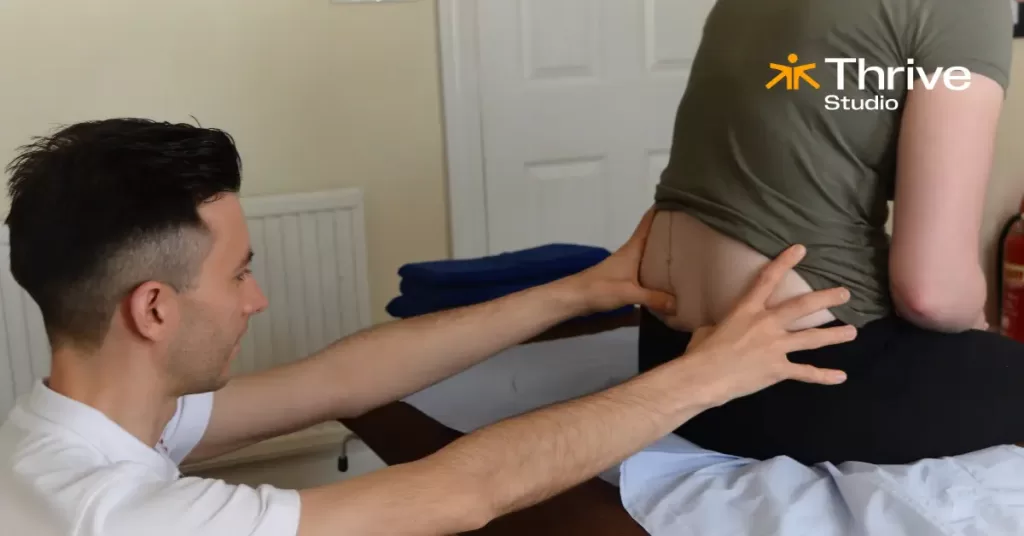
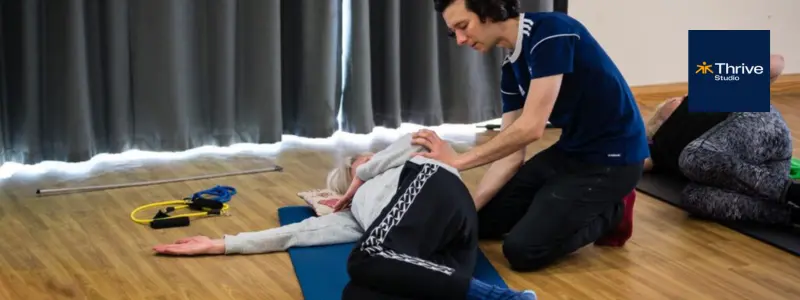
Class size matters too. Small groups of no more than eight participants allow the instructor to give personal attention, make exercise modifications, and provide hands-on correction.
A high-quality, Sports Therapy-led Pilates class usually begins with a muscle and joint assessment. From this, the instructor can decide whether you would benefit more from mat-based Pilates or equipment/reformer Pilates. This ensures the exercises target your back safely and effectively.
Can Pilates “Fix” back Pain?
It’s important to set realistic expectations when using Pilates classes for back pain. Pilates can improve back pain significantly. However, expecting a “cure” that makes pain disappear forever is not realistic. A more effective approach is to see Pilates as part of your back pain management programme. It can help reduce the frequency and intensity of flare-ups.
Flare-ups often happen due to factors outside class, such as your job, sports, or previous injuries. Pilates strengthens your body and improves control. This helps you manage flare-ups more easily.
Sometimes people worry that a flare-up means their back is worse. In reality, pain does not always reflect the true condition of your back. Regular Pilates builds resilience, making flare-ups less disruptive. The more consistent your practice, the better you can control future episodes.
What to Expect From a Pilates Class for Back Pain
A Pilates class for back pain is very different from a typical gym class. In a gym, you might just turn up, follow the exercises, and leave. Therapy-led class takes a more personalised approach.
Most Pilates classes for back pain in Broadstone start with an assessment. The instructor will check which exercises will work best for you. This makes sure the exercises in class are tailored to your needs, not just a random set of moves.
Classes are usually small, with no more than eight participants. This lets the instructor give personal attention and hands-on correction. It helps you get the most from each session and avoids exercises that could make your back worse.
Many therapy-led classes also give individual home exercises. These complement your class and help you get better results between sessions.
How Long Before You See Benefits?
The time it takes to see results from Pilates classes in Broadstone can vary. Some people feel relief right away, especially if they are new to exercise or have not moved much for a long time.
Building strength usually takes around 12–16 weeks. This is how long it takes to notice improvements in muscles and stability. Pain relief, however, can come sooner. Back pain involves the nervous system as well as muscles, so you may feel more comfortable before your strength changes.
It is normal for results to vary in the first few months. One week you may feel much better. The next week may not feel as good. A skilled, therapy-informed instructor will guide you and help manage these ups and downs.
With regular practice, Pilates for back pain can reduce flare-ups, improve control, and help you feel stronger over time.
Conclusion: Therapy-Informed Pilates for Back Pain Management in Broadstone
Pilates classes in Broadstone can help you manage back pain, build strength, and reduce flare-ups. Pilates is not a cure, but it can be an important part of your back pain management programme, giving you tools to move more confidently and feel stronger.
Choosing the right class matters. Small, therapy-informed classes with qualified instructors provide personalised exercises and hands-on guidance.
Regular practice can lead to strength improvements in 8–16 weeks, and pain relief may come sooner.
If you want to try Pilates for back pain in Broadstone, our small, expert-led classes offer personalised support. Book your taster session today.