
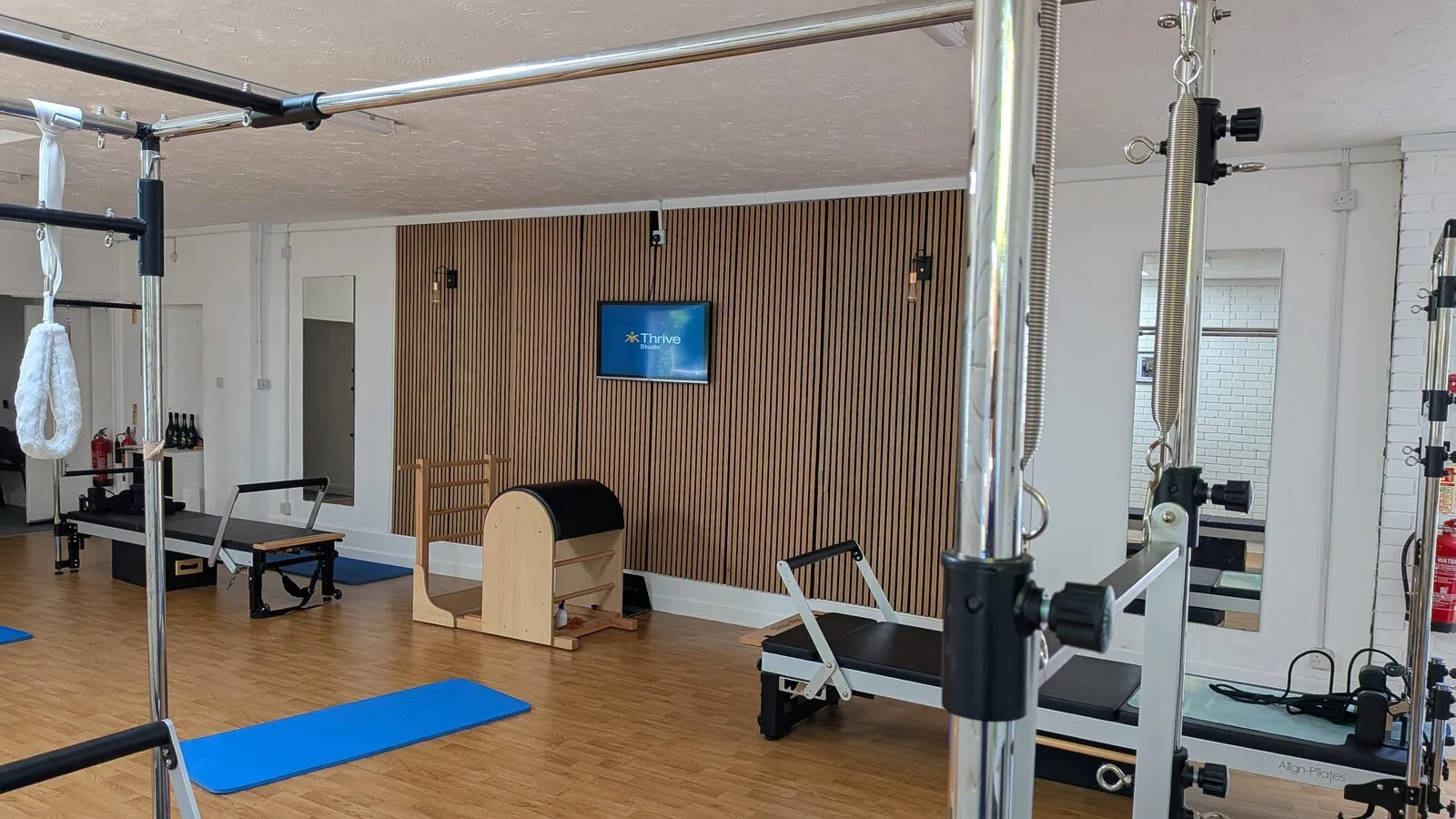
In this article, we’ll look at proximal hamstring tendinopathy. Specifically, what it is, what causes it, and how to recover from it. We’ll also cover common recovery mistakes. Finally, we’ll explain how a structured Reformer Pilates programme can help.
What Is Proximal Hamstring Tendinopathy?
Proximal hamstring tendinopathy is a painful musculoskeletal (MSK) issue. It causes discomfort deep in the buttock area. It can also cause pain at the point where the hamstring attaches to the ischial tuberosity — the bony point you can feel when you sit down.
Common signs include:
- Pain when sitting, caused by compression at the attachment point
- Increased pain after activity
- Pain when stretching the hamstrings
- Pain after a rise in exercise load, such as starting a new gym programme
What Causes Proximal Hamstring Tendinopathy?
The most common cause is a sudden increase in training load. This might mean increasing your running too quickly. For instance, training for a half marathon when you’re only used to running 5km. It could also mean progressing a gym programme faster than your body can adapt to.
In short: when the demand you put through your body outpaces the capacity it can tolerate, symptoms like this can develop. This video explains load versus capacity in more detail.
Common Mistakes That Slow Down Recovery
These are mistakes we see often. If you recognise any of them, don’t worry. They’re easy to make, and you wouldn’t be expected to know better without guidance.
1. Expecting Quick Results
Firstly, patience is key with most types of pain. However, it can be hard to accept. Typically, recovery takes 12–16 weeks with an effective rehab programme.
2. Sticking With the Same Exercises
A gradually loaded programme is central to recovery. Early exercises relieve symptoms and build a baseline. Later exercises progress to more challenging movements. If you’re still doing the same exercises from week one, you’re unlikely to see continued improvement.
3. Not Adapting Your Training Programme
Working through a rehab programme is only part of the process. It needs to go hand in hand with changes to your existing training. In other words, you can’t carry on as before and expect exercises alone to fix things. This can be difficult mid-way through a running or gym programme. But adapting it is essential for good recovery.
4. Judging Progress by Pain Alone
Often, pain levels are inconsistent during recovery. Some days are better, some days are worse. This leads many people to give up early, assuming they aren’t improving. However, this is normal, not a sign of failure. Instead, focus on measurable progress. Look for strength gains and functional improvements, such as increased running distance. It’s common for pain to persist right up until a 16-week rehab programme is complete.
Most people make a combination of these mistakes. Adjusting your mindset around them makes a real difference to how smoothly recovery goes.
What Makes Proximal Hamstring Tendinopathy Worse?
Hamstring stretching is one of the most common culprits. People are often told their hamstrings are tight, and they may feel tight. But that doesn’t mean stretching is the answer. In fact, stretching can pull on the tendon attachment where the pain originates. This can make symptoms worse.
As above, failing to adapt your training programme can also aggravate symptoms. The goal is to either increase the hamstring’s capacity (without overloading it) or reduce the short-term demand placed on it.
How We Treat It: A 4-Stage Reformer Pilates Rehab Programme in Broadstone
At our Broadstone studio, we follow a four-stage progressive loading programme. This is combined with adaptive changes to your existing training. Importantly, there’s no one-size-fits-all approach. Instead, your programme is tailored to your circumstances, giving you an individualised path to recovery.
In particular, Reformer Pilates equipment is well suited to this kind of rehab. It allows precise, controlled loading that’s difficult to replicate with mat-based exercises alone.
Stage 1: Reducing Pain — Isometric Exercises
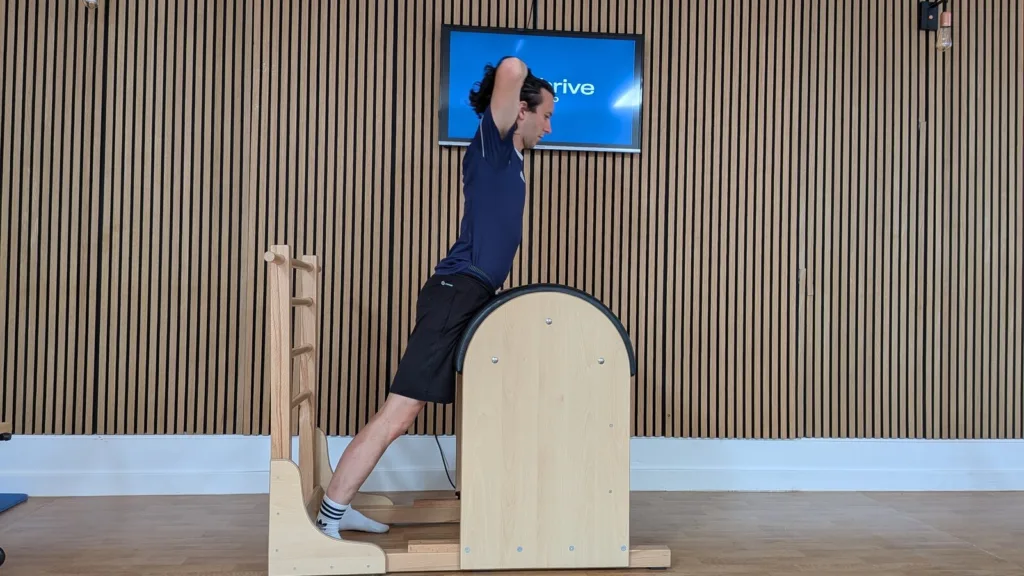
Mat exercises: straight leg bridge hold, spine extension hold Reformer exercises: ladder barrel extension hold, leg holds in the trapeze
Stage 2: Rebuilding Load Tolerance — Isotonic Exercises
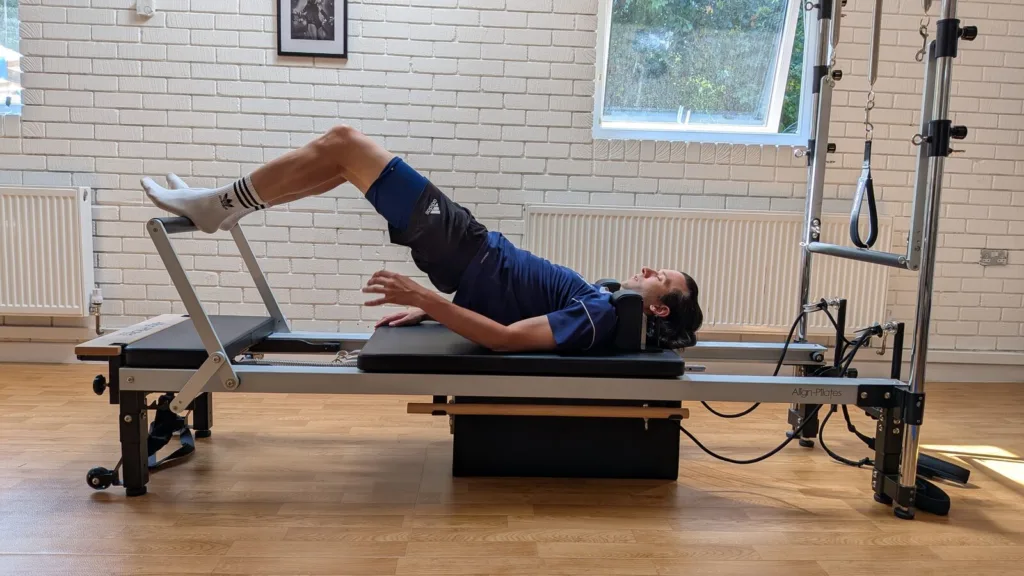
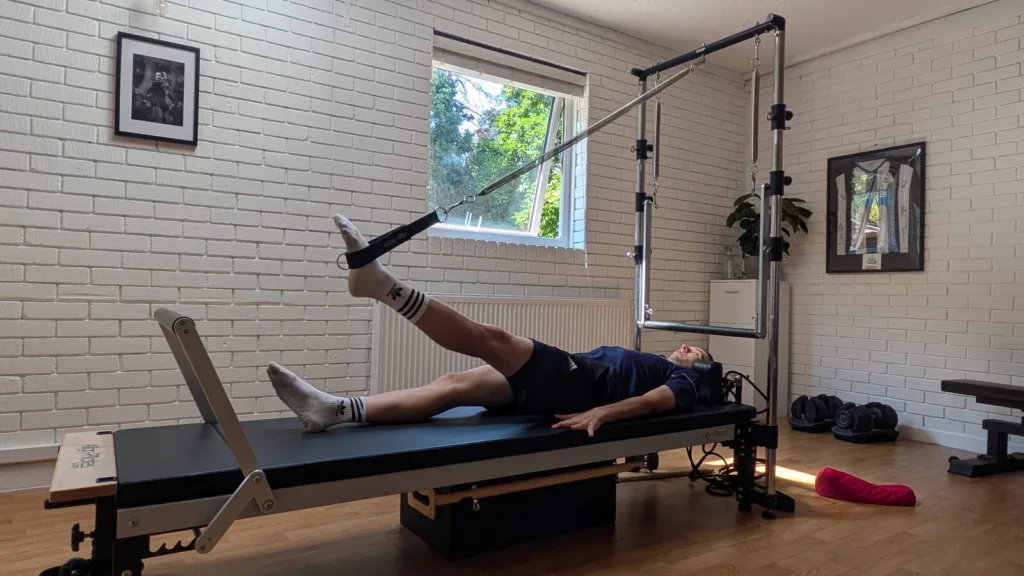
Mat exercises: loaded straight leg hip extension, bridging with adjusted leg position Reformer exercises: bridging on the Reformer, straight leg push-downs on the Reformer
Stage 3: Progressive Strength
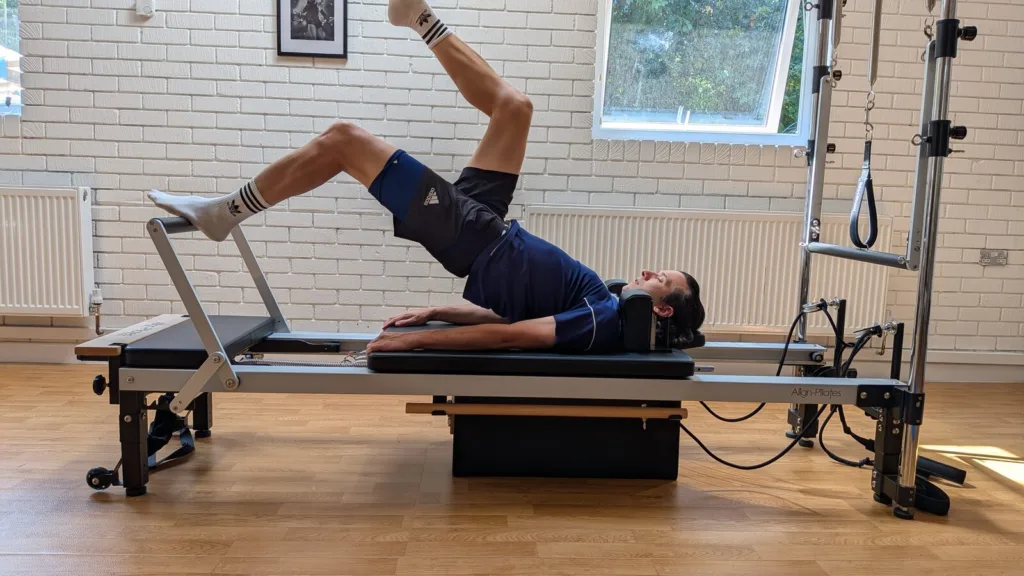
Similar movements to Stage 2, with increased load as the hamstring’s tolerance improves. Reformer exercises: one-legged bridges on the Reformer
Stage 4: Return to Sport
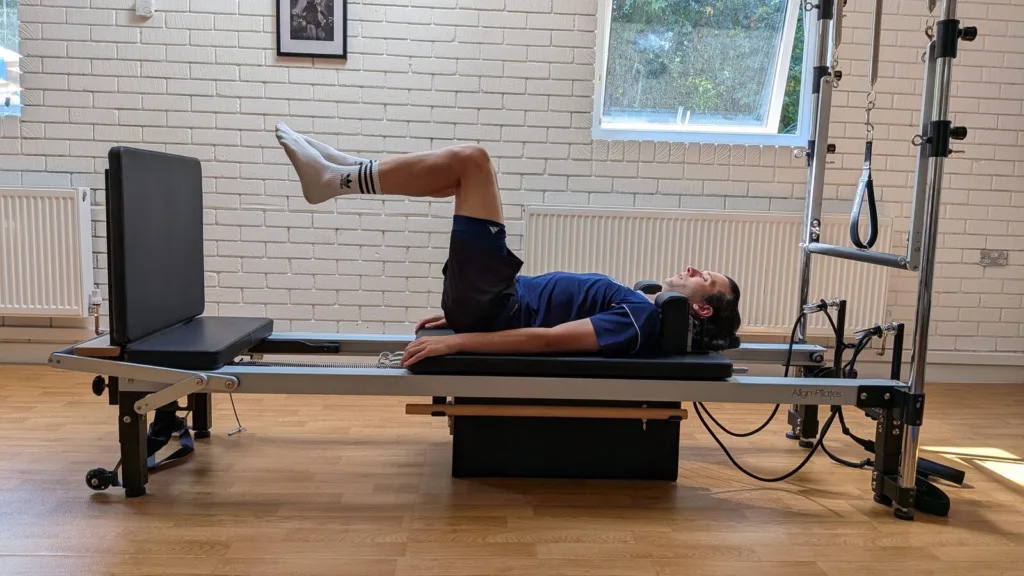
Finally, exercises tailored to the specific demands of your sport or activity. These help you return to full training with confidence. Reformer exercises: jumpboard work
If you’re dealing with proximal hamstring tendinopathy and want a rehab programme built around your goals, get in touch with our Broadstone Reformer Pilates studio to book an assessment.
This article is for general information only and isn’t a substitute for individual medical advice. If you’re experiencing pain, please see a GP or qualified physiotherapist for a proper assessment before starting any new exercise programme.